The Cartridge Afterlife: What Really Happens to UK Ink After 'Empty'
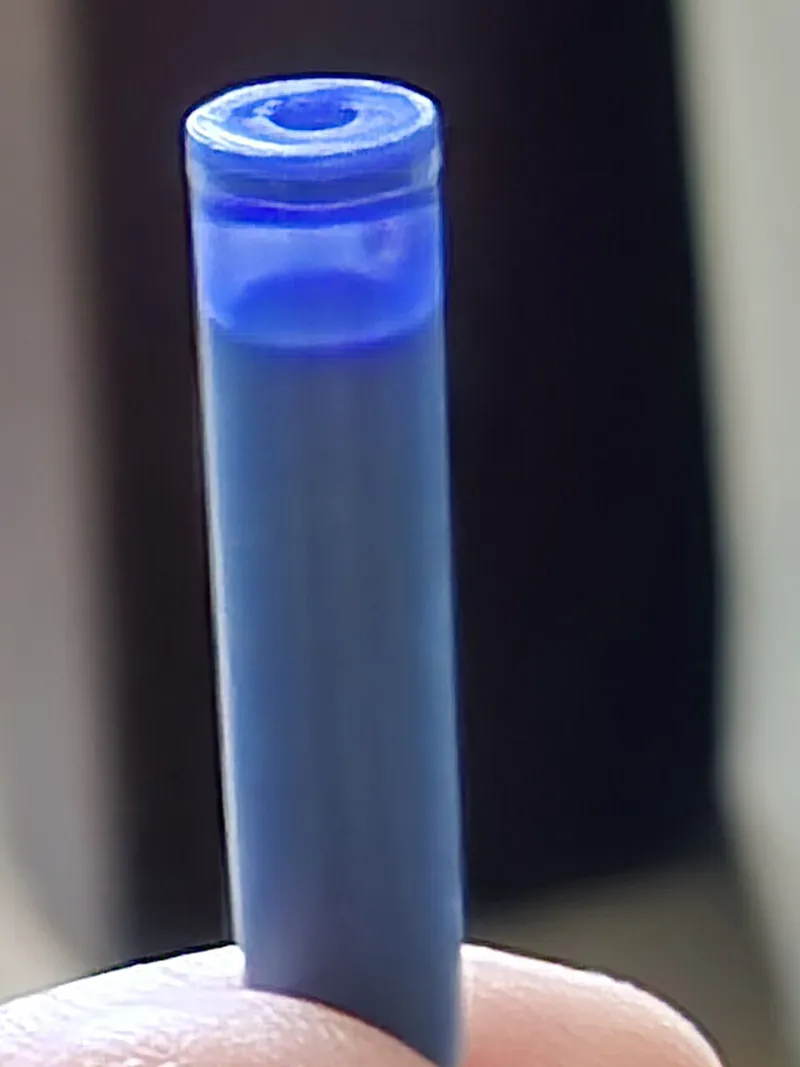
Photo: MichalPL, CC BY-SA 4.0, via Wikimedia Commons
When the printer flashes its low-ink warning, most of us do the same thing: sigh, pull the cartridge, and wonder whether there is a secret second life hiding in the plastic. There usually is a bit of ink left. The warning is based on chip estimates and page counts, not a tiny dipstick inside the sponge. That does not mean you can keep printing indefinitely, but it does mean the cartridge you are about to bin is not necessarily as empty as the label suggests.
In the UK in 2026, the disposal options are better than many households realise. The tricky part is that they are scattered across supermarket entrances, manufacturer envelopes, council sites and the occasional charity collection point. None of it is hard, but it does help to know what actually happens after the cartridge leaves your kitchen table.
Why 'Empty' Is a Suggestion, Not a Final Verdict
Ink cartridges are designed to stop before they run completely dry. Running a printhead with no ink can damage it, so manufacturers build in a margin. The chip counts pages and ink droplets, then calls time while there is still some residual ink in the sponge or tank. In practice, that leftover ink is often enough to smear the inside of a bin bag, which is exactly why cartridges should not go into general waste if a better route is available.
This is also why DIY refill kits can look tempting. The cartridge is not truly dry, the chip may be resettable, and the kit costs less than a new cartridge. But refilling is messier than the adverts suggest. You need the right ink formula, a steady hand, and a printer that is willing to accept a reset chip. Get it wrong and you can end up with leaks, blocked nozzles or a warranty conversation you would rather avoid. Compatible cartridges from a reputable seller are a different proposition: they are manufactured for the job, not squeezed in at the kitchen sink.
Where Cartridges Actually Go in the UK
There are four realistic routes for most homes.
Manufacturer take-back schemes. HP, Canon, Epson and Brother all run recycling or take-back programmes, often using freepost envelopes or collection boxes at retailers. The details vary by brand and by cartridge type, so check the manufacturer's site before you promise yourself you will 'deal with it later'. These schemes are usually the cleanest route because the cartridges go back into a system designed for them.
Supermarket and retailer drop-offs. Many larger supermarkets and electronics shops have cartridge collection bins near the entrance or customer service desk. It is not universal, and the bin may only accept certain brands, so do not assume every store takes every cartridge. A quick look on the way past the meal deal aisle is usually enough.
Council household waste and recycling centres. Most councils do not collect cartridges in the kerbside recycling bin. Putting them in with the plastic bottles is a common mistake and can contaminate a load. Some household waste recycling centres do accept cartridges in a dedicated container, so check your local council's A-Z before making the trip.
Charity and school collections. Some charities, schools and community groups still collect empty cartridges as a fundraiser. These schemes come and go, so check that the collection is active before you fill a bag. If it is, it can be a neat way to turn a cupboard nuisance into a small donation.
What Happens Inside a Take-Back Box
Once a cartridge is collected, it is usually sorted by make and model. Cartridges in good condition may be cleaned, tested, refilled and sold as remanufactured products. Others are broken down for materials. The plastic casing, metal contacts and any remaining components are separated, and the residual ink is handled as part of the recycling process rather than poured down a drain.
That is the theory, and in many schemes it holds up well. The practical lesson for households is simpler: a cartridge that goes into a proper take-back stream has a chance of becoming something useful. A cartridge that goes into the bin is just plastic and ink in a landfill. The difference is usually a two-minute detour.
The Refill Kit Question
Refill kits are not evil, but they are not the automatic green win they appear to be. A successful refill depends on the cartridge design, the ink quality and your tolerance for ink-stained kitchen roll. Some cartridges are genuinely easy to refill; others are sealed units that were never meant to be opened. If you do try it, use the kit's instructions, refill slowly, and do not mix ink types. If the printer starts producing streaky pages, stop rather than wasting more paper trying to 'clean' the problem away.
For most UK homes, the least wasteful route is also the least faffy: buy compatible or original cartridges from a seller with a take-back option, keep the empties in one small bag, and drop them off when you are already going somewhere. No special trip, no guilt pile in the garage.
A Two-Minute Habit That Actually Sticks
Keep a small bag or box next to your spare paper. When a cartridge comes out, put it straight in. When the bag is full, use the freepost envelope, the supermarket bin or the council site you have already checked. Do not stockpile empties for years in the hope that a scheme will come to you. And do not put them in the kerbside recycling on the assumption that someone will sort it out.
At InkJet Cartridge Shop, we would rather you spent your money on ink that works and disposed of the empties sensibly than turned recycling into a weekend project. The cartridge afterlife is not glamorous, but it is a lot better than the bin.