Where to Keep Spare Ink in a UK Home (So It Still Works Next Time)

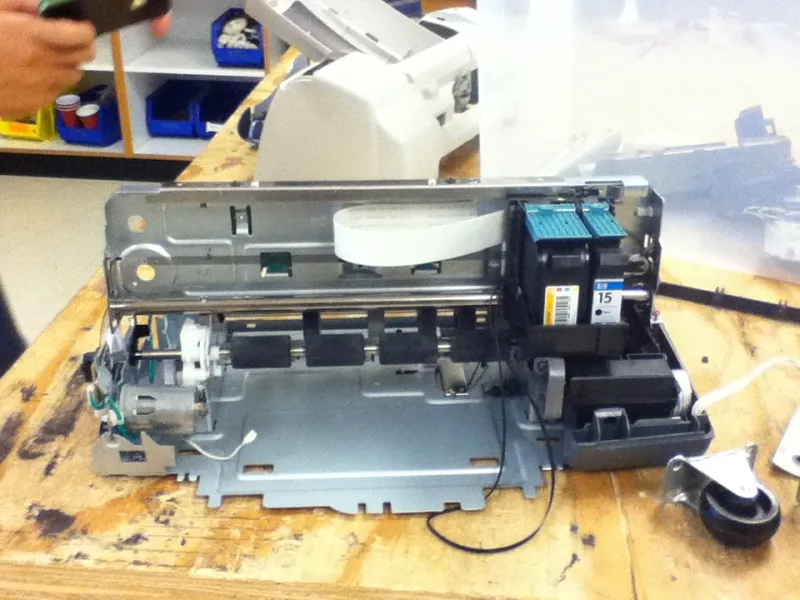
Photo: spare inkjet cartridges stored in labelled airtight box in home cupboard, via i.ytimg.com
Buying a spare cartridge is one of those sensible little jobs. Storing it badly is how that sensible little job turns into a dried-up cartridge, a blocked printhead and a wasted tenner. British homes are not all damp Victorian villas or draughty cottages, but they do have airing cupboards, radiators, lofts, garages and under-sink cupboards. Ink dislikes all the wrong ones.
Sealed is not the same as invincible
A sealed cartridge in its foil is protected from air, but it is not indestructible. Keep it in the original packaging until the printer asks for it. Do not open the foil early to 'check' it, and do not peel off the protective tape. Most manufacturers give sealed cartridges a shelf life of around two to three years, but the use-by date on the box is the one to trust. Write the purchase date on the box if the date is hard to find. If you have a compatible cartridge rather than an original, treat it the same way: sealed, cool, dry and upright.
The best place in a UK home
The ideal spot is a cool, dark, dry cupboard with a fairly stable temperature. A hallway cupboard, a living-room cupboard or a bedroom wardrobe shelf is usually better than anywhere near water or heat. Avoid the airing cupboard: it is warm and often humid, which is exactly what ink does not want. Avoid under the sink, where leaks and damp live. Avoid the bathroom, the kitchen near the cooker, a sunny windowsill, a conservatory, a garage or shed that can freeze, and a loft that can bake in summer and chill in winter. If your home is damp, put sealed cartridges in an airtight box with a small silica gel packet. Keep the silica out of direct contact with the cartridge and check it now and then.
Installed cartridges need a routine
A cartridge inside the printer is not really in storage. It is in use, even if you are not printing. Long gaps between jobs are the classic cause of clogged nozzles and streaky prints. If you print only occasionally, run a test page every week or two. That uses a little ink, but it is usually cheaper than a deep cleaning cycle or a replacement cartridge. If you need to remove a cartridge, put it back in its original clip or a clean airtight bag, keep it upright and away from heat. Do not wrap it in kitchen roll and leave it on a radiator. If you are going away for a month, print a test page before you go and another when you return.
Heat, cold and humidity
Ink is a liquid, and liquids do not like extremes. Heat can dry ink at the nozzle. Cold can make it thicker and slower to flow. Rapid temperature changes can cause condensation, which is bad news for the electrical contacts on the cartridge. UK homes rarely reach desert temperatures, but a radiator, an airing cupboard or a south-facing window can create a hot microclimate. The same goes for a cold snap in an unheated spare room. Aim for normal room temperature and keep cartridges away from direct heat and sunlight.
A rotation system that stops waste
The simplest system is first in, first out. Keep only a small stash: one spare black and one spare colour is plenty for many households. Label each box with the month and year you bought it. When you open a new cartridge, put the older one at the front of the queue. If you buy a multipack, check the use-by dates and use the shortest date first. Do not bulk-buy just because there is an offer. A bargain on ten cartridges is not a bargain if half of them expire before they reach the printer. If you print very little, standard-yield cartridges may make more sense than high-yield ones, because there is less ink to waste when a cartridge eventually goes past its best.
Warning signs to watch for
A sealed cartridge past its date may still work, but it is a gamble. An installed cartridge that has been sitting for months may print with gaps, streaks or faded colour. You might see banding on a photo, missing lines on a table or an error message about the printhead. Before you panic, run one cleaning cycle and print a test page. Do not run five cleaning cycles in a row; that wastes ink and can flood the printhead. If the problem persists, remove the cartridge, check the contacts are clean and dry, and try a fresh one. Never poke the nozzle with a pin or wipe it with a rough cloth.
A quick UK storage checklist
- Keep sealed cartridges in their foil until needed.
- Store them in a cool, dark, dry cupboard, not an airing cupboard, garage or loft.
- Use an airtight box and silica gel in damp homes.
- Label purchase dates and rotate your small stash.
- Keep one spare black and one spare colour, not a drawer full.
- Print a test page every week or two if the printer sits idle.
- Check use-by dates before you buy a multipack.
The bottom line
Good ink storage is not complicated. It is a cool cupboard, a sealed box, a date label and a refusal to stockpile. Do that, and the spare cartridge you bought in a hurry will still be ready when the printer starts flashing. Leave it under the sink for a year, and you will find out why ink and British plumbing cupboards are not friends.