The Petrol-Priced Cartridge: When a Cheap Ink Trip Actually Adds Up

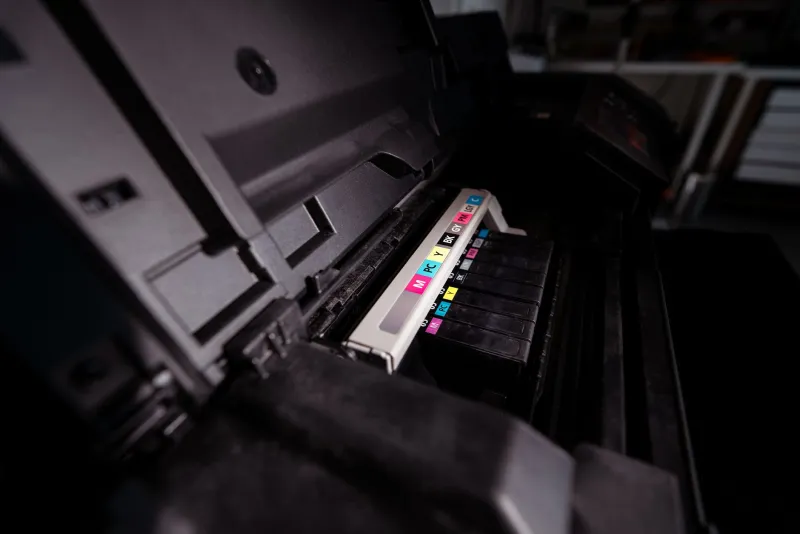
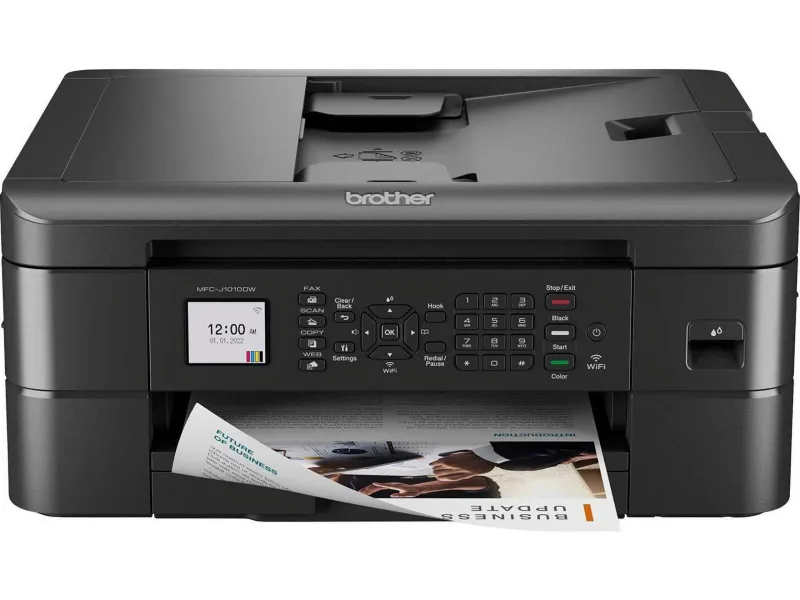
Photo: Pauline E , CC BY-SA 2.0, via Wikimedia Commons
There is a particular kind of optimism that comes from seeing a cartridge on a superstore flyer for a few pounds less than your usual online supplier. It is the same optimism that makes people drive to a retail park on a Saturday morning, circle the car park twice, and come home with a multipack of kitchen roll and the wrong cyan cartridge. The ink was cheaper on the shelf. The day was not cheaper overall.
That does not mean the out-of-town ink run never pays. It can, especially if you are already heading that way or you need the cartridge today. But the shelf price is only the opening line of the story. To know whether a trip is worth it, you have to cost the whole thing: the cartridge, the journey, the parking, your time and the chance that the box in your hand is not the box your printer wants.
The shelf price is not the delivered price
Online ink shopping has its own small print. Delivery charges, minimum order thresholds and the difference between a standard cartridge and an XL one can all change the maths. So start with the number that actually matters: the delivered price. That means the price of the cartridge plus any postage, minus any voucher you can genuinely use, for the exact item you need.
Then compare it with the total cost of buying in person. Not just the shelf price. The total includes the fuel or bus fare, any parking charge, and the value of the time you spend getting there. If you are lucky, the store is five minutes away and parking is free for an hour. If you are not, the trip is a 20-mile round run to a retail park where the barrier wants £2 before you have even found a trolley.
A useful rule of thumb: buy in store only when the store price plus the trip cost is lower than the delivered online price. Not when the shelf label looks lower. When the whole outing is lower.
A break-even sum you can do on your phone
The formula is simple enough to use in the car park, though it is better done at the kitchen table before you leave.
Trip cost = fuel or bus fare + parking + any time cost + a small risk buffer.
Compare that with: delivered online price minus store shelf price.
If the saving is bigger than the trip cost, the journey makes financial sense. If it is smaller, you are paying for the privilege of buying ink in person. That may still be worth it for speed or convenience, but it is not a saving. It is a service you have bought.
Here is an illustrative example. Suppose the cartridge is £28 delivered from an online supplier and £22 on the shelf at an out-of-town store. The apparent saving is £6. Now cost the trip. A 20-mile round journey in a car doing about 45 mpg might use roughly two litres of fuel. Add £2 for parking and you are already close to £5 before you count your time. If you value an hour of your Saturday at even £10, the trip cost is well over the saving. The cartridge was cheaper. The morning was not.
Bus users have a different sum but the same principle. A return fare, a longer journey and the awkwardness of carrying ink and paper home all count. If the bus fare is £5 and the saving is £4, the shelf price has not helped you. If you already have a day ticket and the store is on your route, the marginal cost is much lower. Context matters.
The hidden line items: wrong codes, queues and closing times
There is also the risk cost. Out-of-town stores are not always brilliant at keeping every cartridge code in stock. You can check online, drive over, and find a gap on the shelf where your cartridge should be. Or you can buy the right brand but the wrong model, because printer names and cartridge numbers are not the same thing. A cartridge that fits a TS series printer is not automatically the one for your TS series printer. This is how people end up with a spare magenta they cannot use and a second trip to return it.
Queues, limited opening hours and the time spent finding a member of staff to check the stockroom all eat into the saving too. None of this makes the store the villain. It just means the trip has friction, and friction has a cost.
Before you set off: a five-minute stock check
If you are still tempted by the out-of-town price, do a quick check first.
- Get the exact cartridge code from the old cartridge label or your printer's menu, not from memory.
- Check stock for the specific store, not just the retailer's website in general.
- Ring the store and ask them to hold the cartridge. Get a name and a time limit.
- Confirm whether it is original or compatible ink, and whether it is standard or XL.
- Check parking charges, minimum spend and whether the car park has a time limit.
- Compare the delivered online price including postage, not the pre-delivery price.
- Ask about the returns policy if the box is opened or the cartridge is incompatible.
- Note the opening hours and bus route if you are not driving.
- See whether a multipack or combo pack works out cheaper for the cartridges you actually use.
- Put a rough value on your time. Even a low hourly rate changes the answer.
That last point is the one people skip. Time is not imaginary money. A two-hour round trip to save £5 is not a £5 saving. It is a £5 discount on an afternoon you will not get back.
When the trip can still be worth it
The out-of-town run makes sense when the journey is already happening. If you are going to the retail park for a weekly shop, the marginal cost of adding ink to the trolley is low. It also makes sense if you need the cartridge today, if the store price is genuinely matched to the online delivered price, or if you are buying several cartridges and the saving is large enough to clear the trip cost several times over.
It can also work if the store has a click-and-collect reservation that guarantees the item is waiting. At that point you are not gambling on stock. You are just paying for convenience.
But the standalone 20-mile ink run? Usually not. The cartridge may be £4 cheaper. The fuel, parking and time may be £9. The risk of the wrong code is the cherry on top. In late 2026, with fuel and parking where they are, the smarter move for most UK homes is to compare the delivered price, keep a spare cartridge in the drawer and let the courier do the driving.
That is not a dramatic conclusion. It is just the one that leaves you with more ink and less petrol on your hands.