Read the Box, Not the Hype: A UK Shopper’s Guide to Ink Cartridge Labels

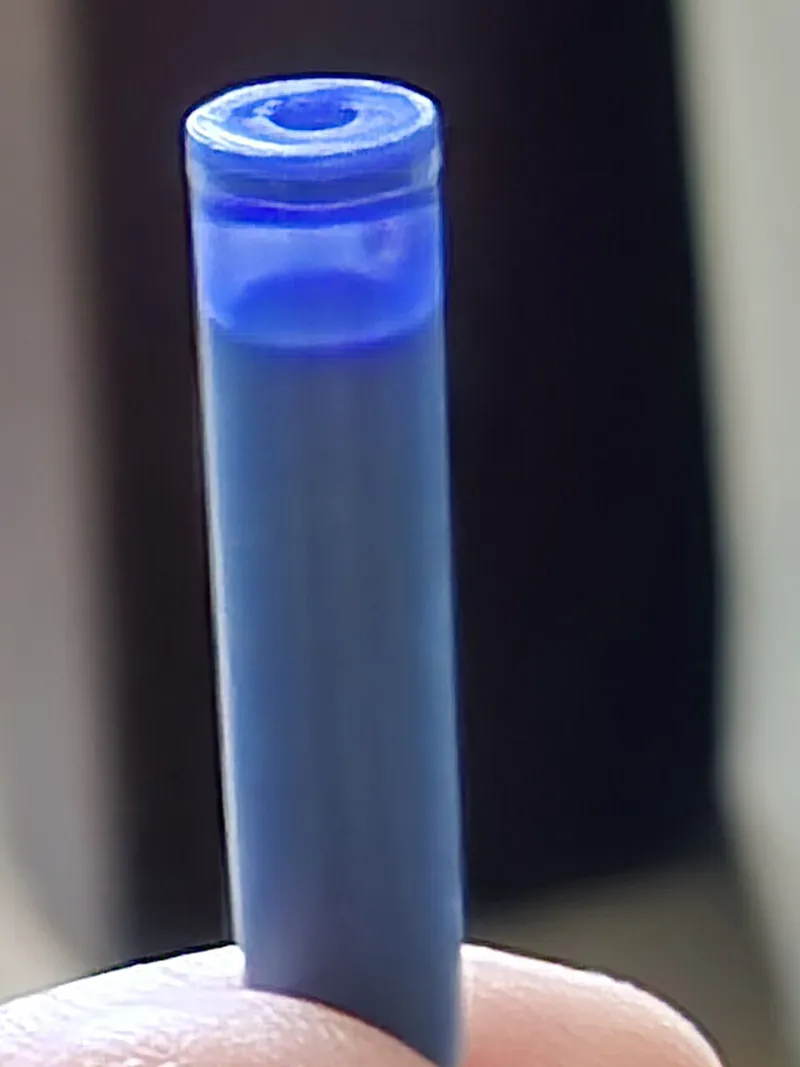
Photo: Jordan Mudrack Photography, CC BY 2.0, via Wikimedia Commons
Standing in front of an ink display, or scrolling through a marketplace listing, the boxes all start to blur. One says genuine. Another says compatible. A third promises high capacity, premium quality and vivid results. None of those phrases tells you the one thing you actually need to know: will this cartridge fit my printer, and is it good value for the pages I print?
That is the problem with ink packaging. It is designed to sell a box, not to help you compare one box with another. The useful information is usually there, but it is buried under badges and slogans. So let us treat the box like a label rather than a promise.
Start with the model number, not the badge
Before you care about compatible, remanufactured or XL, check the printer model. Not the series name. Not the family name on the front of the printer. The exact model code, usually on a sticker on the back or underneath the machine, or in the printer’s settings menu.
A cartridge listed for a whole printer family may still not fit your specific model. UK retailers often group products by series, and marketplace sellers sometimes use broad compatibility lists that are more optimistic than accurate. The cartridge code on the box should match the code in your printer manual or the label inside the cartridge bay. If the listing only says something like ‘fits many popular printers’, treat that as a warning, not a convenience.
‘Compatible’ means new, but not made by your printer brand
A compatible cartridge is a new cartridge made by a third-party manufacturer. It is not a refilled original, and it is not necessarily a cheap knock-off. Some compatible brands are consistent and well-reviewed; others are a lottery. The word compatible tells you about the maker, not the quality.
In practice, compatible cartridges are often the cheapest way to keep a low-volume printer running. The trade-offs are variability and support. A good seller will list the exact printer models, the cartridge code, the page yield and a returns policy. A vague listing will show a photo of a printer, a low price and very little else. If you go compatible, buy from a seller who makes returns straightforward. Your statutory rights still apply, but the printer manufacturer’s own warranty may not cover damage linked to non-original ink, so keep receipts and read the terms.
‘Remanufactured’ is a second life, with caveats
A remanufactured cartridge started life as an original. It has been collected, cleaned, refilled and fitted with new parts or a new chip as needed. That makes it a sensible environmental choice and usually a cheaper one than buying new original ink.
Quality depends heavily on the remanufacturer. A well-run remanufactured cartridge can perform like a new one. A poorly prepared one can leak, clog or report the wrong ink level. Look for clear information about what has been replaced, not just a green leaf on the box. Check whether the chip is new or reset, and check the warranty period. Remanufactured is not a dirty word, but it is a category that rewards buying from a known seller rather than the cheapest anonymous listing.
‘XL’ means more ink, not automatically better value
XL, high capacity and high yield all point in the same direction: the cartridge should print more pages than the standard version. That is useful if you print a lot. It is not automatically the best buy if you print a little, because the upfront price is higher and the ink still has a shelf life once opened.
The number to compare is page yield, usually printed somewhere on the box or listing. Page yields are measured under standard test conditions, often the ISO/IEC 24711 method, using a set of test documents. Your own pages will not match those conditions exactly. Photos, bold graphics, full-page colour and draft versus normal settings all change how far a cartridge goes. Still, yield figures are the best like-for-like guide we have. Compare cost per page, not box size.
Also check that the XL cartridge fits your printer. Some printers accept both standard and XL versions of the same colour; others do not. An XL box for a different model is just an expensive ornament.
‘Genuine’ and ‘premium’ are doing marketing work
Genuine usually means made by the printer manufacturer. That brings certainty: the cartridge is designed for the machine, the chip should behave, and the printer maker’s warranty support is simpler. It does not mean the ink is automatically the best value, and it does not mean third-party ink is automatically bad. It means you are paying for a known supply chain.
Premium is much vaguer. It might mean a better chip, a larger ink chamber or simply a nicer box. The same goes for phrases like professional quality or photo-grade. These are not standardised terms. Look for the cartridge code, the yield, the pack contents and the seller’s returns policy. If a box leans heavily on adjectives and lightly on specifics, put it back on the shelf.
The two-minute shelf checklist
Before you buy, run through this:
- Find your exact printer model code, not just the series name.
- Match the cartridge code on the box to your printer manual or old cartridge.
- Check the colour and pack quantity. A bargain black cartridge is no help if you need cyan.
- Compare page yield and cost per page, not just the ticket price.
- For compatible or remanufactured ink, check the seller’s returns policy and reviews.
- If your printer has had a firmware update, check whether the seller mentions current compatibility.
- Avoid listings that use broad phrases like ‘fits many models’ without a precise list.
- Keep your receipt, especially when trying a new brand for the first time.
None of this requires you to become an ink chemist. It just means reading the box in the order that matters: fit first, yield second, price third, adjectives last. The right cartridge is the one that matches your printer and your printing habits, not the one with the loudest label.