The Handover Drawer: Rehoming a Printer Without Wasting the Ink Inside
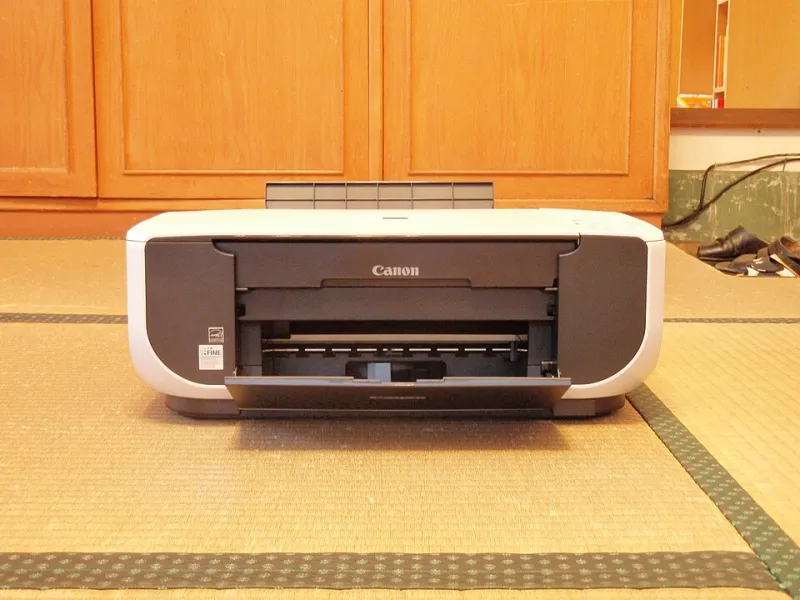
Photo: Smartway777, CC BY-SA 3.0, via Wikimedia Commons
There is a particular sort of clutter that comes with rehoming a printer. The machine itself is easy enough: wipe it down, find the power cable, agree a price or a favour. Then you open the drawer and find three half-used cartridges, one sealed black, a colour cartridge with a smudge of cyan on the label, and no memory of which one caused the last streaky photo. That drawer is where a simple handover gets awkward.
The fair approach is not complicated. It just needs a few minutes of honesty before the printer leaves the house. The next owner should know what they are getting, and ink that still has pages left in it should not be binned because nobody wanted to make a decision.
Start with the machine, not the drawer
Before you unplug anything, print one ordinary page. A nozzle check or a short text document is enough. Take a photo of the result, including any streaks, missing colour or banding. This does two useful things: it tells you whether the printer is genuinely working, and it gives a buyer or recipient something more reliable than your memory of how it behaved last spring.
While you are there, note the printer model and the cartridge codes. Check the ink levels in the printer menu, but treat those bars as estimates rather than promises. A cartridge showing low can still have a useful number of pages in it; a cartridge showing full may have been sitting in a warm cupboard for two years. If the printer has any quirks, write them down. Does the paper feed need a nudge? Does it complain about non-genuine cartridges? Has the firmware been updated? A short note is kinder than a surprised phone call later.
What counts as ink worth passing on?
Sealed spares are the easy case. If the box is intact and the cartridge code matches the printer, include them or price them sensibly. Opened cartridges need a little more care. A part-used cartridge is worth passing on if it has been stored reasonably, still fits the machine and prints without obvious problems. It is not worth passing on as a generous bonus if it has been in a shed through two winters or has been rattling around loose in a box.
Test before you label. Print a small colour block if you have a colour cartridge, and a line of text for black. You are not looking for laboratory precision; you are looking for a fair description. If the print is patchy, say so. If the cartridge is recognised but the printer warns it is low, mention that too. Nobody expects a part-used cartridge to behave like a new one, but nobody wants to discover the truth after the handover.
Bundle it or keep it?
The honest answer is: it depends on what printer you are buying next. Check the cartridge codes before you decide to keep a drawer full of spares. Many inkjet models look similar but take completely different cartridges. If your next printer uses the same codes, keep the sealed ones and maybe one tested part-used cartridge as a bridge. If it does not, keeping them is just moving the clutter to a new cupboard.
For a local sale, bundling ink with the printer can make the handover simpler. It adds a little value, but not as much as people often hope. A buyer will not pay nearly new prices for half-full cartridges. If you are gifting the printer to a friend or family member, include a note saying which cartridges are sealed, which are part-used and which ones you would not trust in a photo printer. That is more useful than a plastic bag of mystery ink.
If the printer is being transported, follow the manufacturer’s instructions for moving it. For a short local handover, leaving the cartridges installed is often fine if the machine will be used soon. For longer storage or a bumpy trip, bag part-used cartridges upright, keep them labelled and keep them out of the hot boot of a car. A little kitchen roll and a sandwich bag have saved many car interiors.
The sticker that prevents an argument
Label every loose cartridge with masking tape or a sticky note. Write the cartridge code, the colour, the date you opened it if you know it, and a short status such as ‘tested 14 November 2026, prints fine’ or ‘low black, occasional streaks’. Put the same information in a one-page note for the new owner. This is not fussiness. It is the difference between a fair handover and a vague promise that the printer ‘worked fine’.
If you are selling, use that note in the listing. Say what is included, what is sealed, what is part-used and what you have tested. If the printer is sold as spares or repair, say that clearly as well. Private sales in the UK do not come with the same consumer rights as shop purchases, so clarity protects both sides. A buyer who knows the score is less likely to come back annoyed.
What a buyer will realistically pay
A used inkjet is mostly valued on the machine, not the ink inside it. A working printer with a recent test page and a couple of sealed cartridges may fetch a modest amount more than the same model with empty slots, but half-full cartridges do not turn a £20 printer into a £60 printer. Buyers discount uncertainty. If you cannot demonstrate the printer, expect the price to reflect that.
If you have a valuable sealed cartridge that does not fit the printer you are selling, consider selling it separately only if you are prepared to deal with postage and queries. Otherwise, pass it to someone with the right model. The same goes for part-used ink: it is usually worth more as goodwill than as cash.
When the ink has no home
Sealed cartridges for a discontinued model can go to a local freecycle group, a community repair café or a school that still uses that printer, but check first. Many charity shops only accept sealed cartridges, and some will not take ink at all, so ring ahead rather than leaving a bag on the counter.
Part-used cartridges are harder. Do not put them in kerbside recycling and do not pour ink down the sink. Manufacturer recycling schemes and cartridge collection points exist, but they vary by brand and by year, so check the current route before promising anything. Printers themselves are electrical waste: your local council household waste recycling centre should take them. If you are buying a new machine, manufacturer trade-in schemes can sometimes take the old one, but read the small print about whether ink should be removed first.
A five-minute handover checklist
Print one test page and photograph it. Note the model, cartridge codes and any known faults. Check ink levels but do not treat them as exact. Bag and label part-used cartridges upright. Decide whether the ink stays with the printer or goes to someone with the same model. Write a short note for the new owner. For charity or recycling, ring ahead and ask what they accept. Wipe the outside of the printer, find the cables and keep the ink away from heat until it leaves the house.
A fair handover is not about squeezing the last penny out of a used printer. It is about making sure the next person inherits something they understand, and that usable ink gets a second chance instead of a bin liner.